
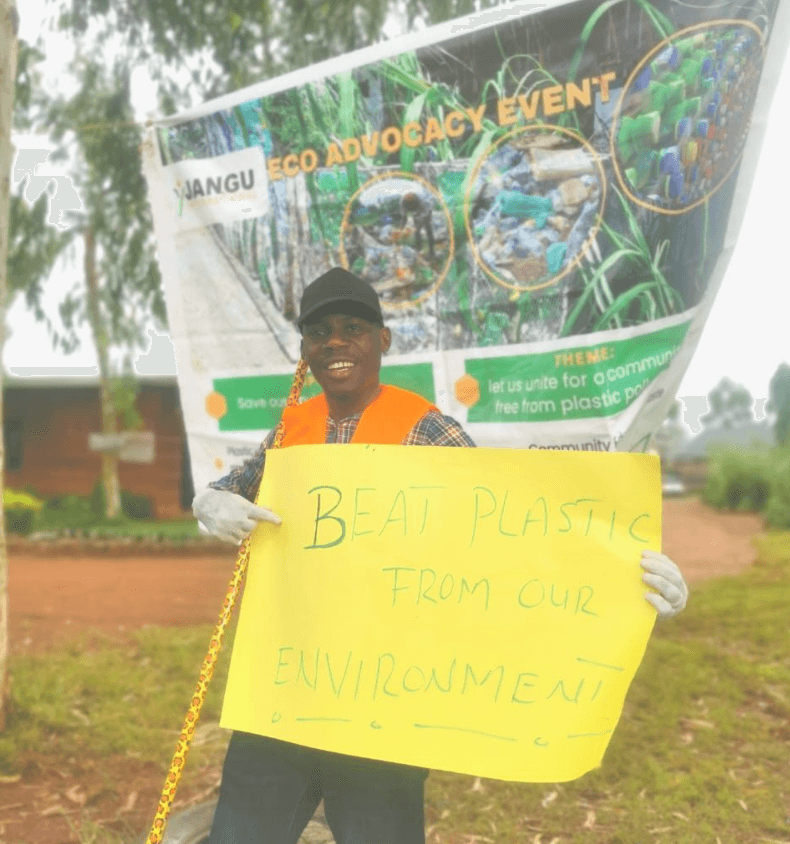
It was an exciting moment for Pendeza Shelters working with Jangu International in organising the Eco Advocacy Event that took place on 4/4/2024. The main purpose was to educate the community and making awareness about the poor plastic disposal due to improper plastic waste management systems leading to clogging of drainage channels, and community flooding exposing people to health risks and effecting the soils, land, animals, and the atmosphere leaving the environment in absolute danger. Different institutions joined the campaign like the primary schools, secondary schools, universities, the local government and the community to have representative at each level creating environmental conscious ambassadors. Different organisation joined were the, EcoBrix, NIAAD, GAYO Uganda, Young Catholic Workers Movement and Biodiversity Conservation Fund and the Office of the District Natural Resources. Involvement of the communityDifferent individuals in the community were involved in respect of their age groups since it was a collective responsibility of everyone to save Mother Earth. The groups involved are the primary schools (upper primary) children aged 8-12, secondary schools aged 13-18, institutions and Universities that constitute youth aged between 18-35, and residents in the community 35 and above.
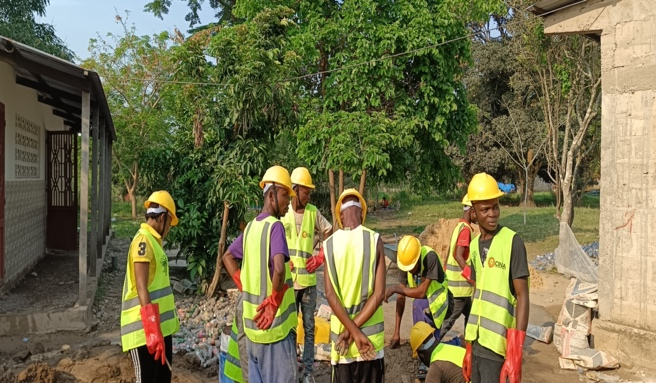
Pendeza Shelters Training on Eco-Housing in Kasangulu, Kinshasa, DRC (October 2024)
In October 2024, Pendeza Shelters conducted a comprehensive training on eco-housing in the Kasangulu region of Kinshasa, Democratic Republic of Congo. The training primarily targeted youth, including both men and women, and also involved experienced brick masons. The inclusion of masons was strategic, as their prior construction experience allowed them to quickly grasp the skills and share the knowledge with others. Additionally, engineers participated in the training, drawn by their interest in adopting eco-friendly technologies within the construction industry. Training Highlights:The participants were introduced to the complete process of constructing eco-houses, including:– Bottle collection: Sorting plastic bottles by size, color, and design.– Compaction: Transforming plastic bottles into eco-bricks.– Construction: Building using eco-brick. A total of 18 individuals, comprising 14 youth and 4 engineers, participated in the training. Together, they constructed a house from the foundation up to the roofing stage. Key skills taught included: Community Engagement:The training incorporated advocacy and awareness campaigns, reaching over 600 people in the Kasangulu region. These sessions emphasized the importance of plastic waste management. In addition, 56 youth actively engaged in collecting, sorting, and compacting plastic waste, resulting in the production of 20,000 eco-bricks. The project successfully educated the community and instilled environmental awareness. Collaboration with EngineersThe training was enhanced by the involvement of engineers from Enterprise Congolaise du Batiment Et Des Travaux Publics, who brought diverse expertise. ECBTP is a construction company founded in Kinshasa, serving both public and private organizations throughout the Democratic Republic of Congo. The company offers a broad range of civil and architectural engineering services, including studies, feasibility assessments, design, construction, management, supervision, and quality control of works. Established in 2018, ECBTP is an applied engineering firm with a strong presence in the fields of architecture and civil engineering. ECBTP has demonstrated a high level of expertise and professionalism to ensure the quality of projects and deliver exceptional service. The firm provides customized solutions for each assignment, viewing each one as a unique challenge. Through a service-oriented approach and attentive customer listening, ECBTP aims to meet the specific needs of its clients. The company has completed numerous projects in Kinshasa and across the country. Its team is experienced and well-qualified to handle multidisciplinary tasks. Some of the core competencies of ECBTP include:• Various studies and expert consultation in the execution of civil engineering works (culverts, dykes, dams, etc.), as well as architecture.• Construction of infrastructure and road structures (commercial parking lots, roads, canals, tunnels, etc.), and architectural design of buildings.• Design and planning of new projects, including streets, sidewalks, pedestrian paths, and other municipal engineering needs The engineers were not only eager to learn about eco-construction techniques but also shared valuable knowledge in areas such as mixing ratios, pillar spacing, and material selection. Their collaboration ensured the training ran smoothly and efficiently. Key Outcomes: The training concluded successfully, covering all stages of eco-house construction, including laying eco-bricks, filling with bonding mortar, and finishing the interior and exterior. It was an inspiring initiative that not only advanced eco-friendly construction practices but also empowered the local community with new skills and opportunities.
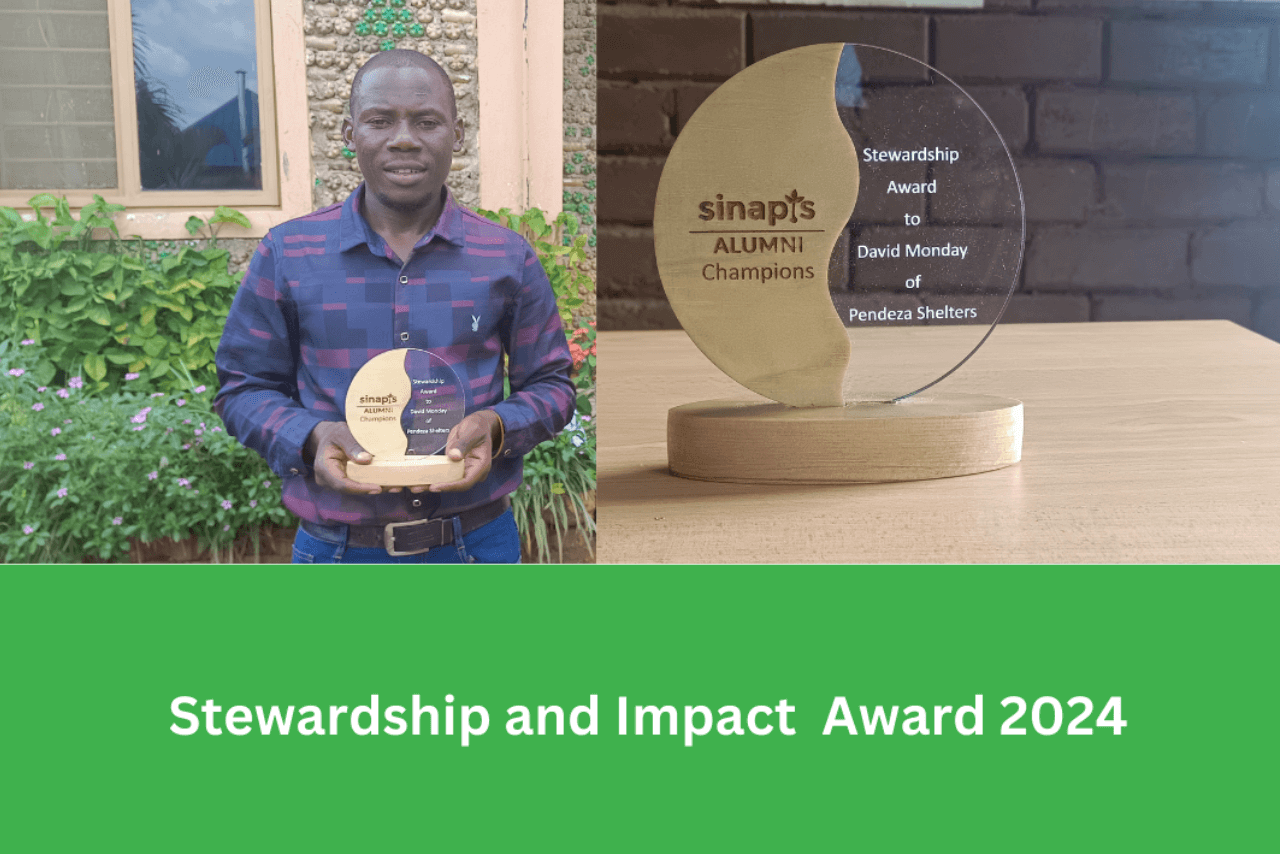
Pendeza Shelters Honored with the Sinapis Alumni Champion Stewardship of the Year 2024 Award
We are deeply honored and humbled to have received the Sinapis Alumni Champion Stewardship of the Year 2024 Award. This prestigious recognition, presented at an inspiring event themed “Unlocking East African Business Potential to Find Their Next Partner,” is a testament to our strong commitment to sustainable innovation and impactful community-driven solutions. Celebrating Leadership and VisionA special congratulations to our founder, David Monday, for his exceptional leadership, vision, and dedication to social entrepreneurship. Additionally the company appreciates Muvunye Brian for representing our team at the event and receiving the award on behalf of the company. His incredible sacrifice and dedication mean so much to all of us. This award is a reflection of his relentless efforts, alongside the Pendeza Shelters team, to address critical societal challenges such as affordable housing and employment. Through our labor-based approach, we prioritize creating job opportunities over machinery dependency, empowering individuals, particularly vulnerable groups, to improve their livelihoods. A Commitment to Stewardship and InnovationThe award also highlights Pendeza Shelters’ unique leadership model, built on trust, harmony, and transparency, which fosters a collaborative and inclusive work environment. Furthermore, it recognizes our innovative efforts in transforming plastic waste into eco-friendly building materials, a groundbreaking solution that addresses both environmental sustainability and the housing crisis. A Catalyst for Growth and InspirationThis recognition motivates us to continue pursuing our mission of transforming lives, amplifying our impact across East Africa, and inspiring other businesses to adopt sustainable practices. It underscores the importance of stewardship in creating scalable solutions that serve not just businesses but entire communities. We extend our gratitude to Sinapis and the wider community for this acknowledgment and remain committed to driving meaningful change through innovation, stewardship, and partnerships. Together, we believe we can build a future where businesses thrive while making a difference in people’s lives.
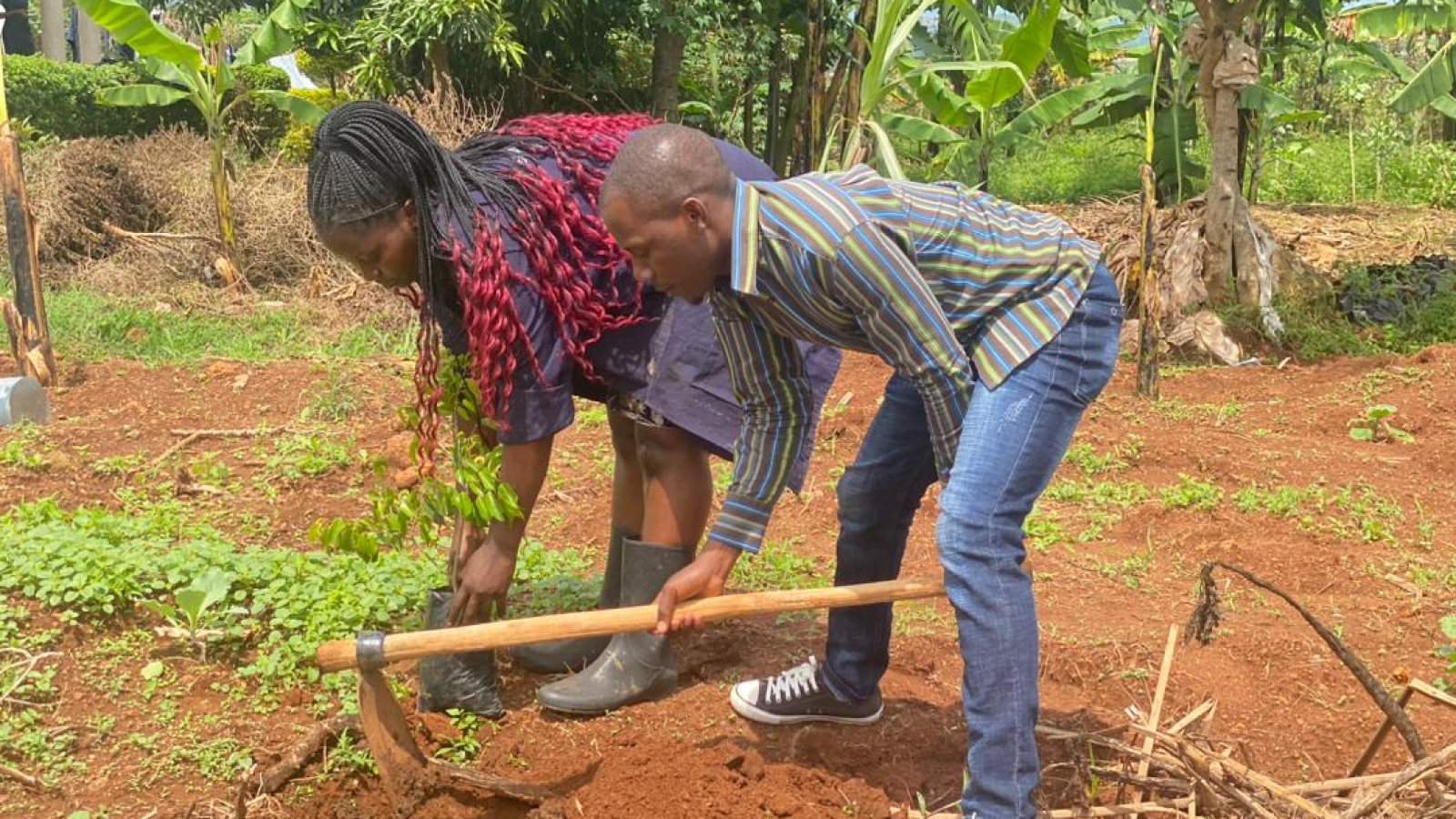
Launching the tree plant project in Mpigi
Planting trees is essential for environmental conservation. Trees play a crucial role in mitigating climate change by absorbing carbon dioxide and releasing oxygen. They help maintain biodiversity by providing habitats for various species. Additionally, trees prevent soil erosion, regulate water cycles, and improve air quality. By planting trees, we contribute to the preservation of ecosystems, protect wildlife, and ensure a sustainable future for generations to come, fostering a healthier and more balanced environment. Taking care of the environment is something everyone needs to do. We should all refuse to cut down trees and stop throwing away or burning plastic in the wrong way. Even though there are rules to protect the environment, they often don’t work because we rely too much on the government to fix everything. It is important to remember that we all benefit from a clean environment, and we all suffer when it’s polluted. The problem is that we are all responsible for making the environmentdirty, and it’s really hard to fix the damage once it’s done. People in the community need to understand that cutting down trees stops rain from forming and makes it hard to grow food, which can lead to hunger. Also, burning plastic makes pollution that harms the environment a lot. But it is not too late to change our behavior and take better care of the environment. We can teach others how to live in harmony with nature and protect it for the future. We look forward to a world without pollution, where communities are committed to preserving Mother Earth and upholding a sustainable environment.

Eco Houses for Nakivale Refugee camp
Waste education and skills development are some of the key areas pendeza shelters tackle in diffrerent communities. The structure was constructed in Isingiro district in Nakivale refugee settlement with the purposely to enhance the project incubation for the youth and women in the settlement. Additionally, the structure technology equips the community with construction skills and waste management The house serves as a place for training and presentations for youth projects. Using eco bricks showed the young people that anything is achievable. This aimed to boost their criticalthinking and change their mindset towards various sectors, like the environment. The building showcased the impact that any project should strive for in supporting thecommunity. It provided jobs for 142 people in collecting, sorting, compacting, and building.Additionally, four scholars learned construction skills through the project.

Bottle filling. Jonannesburg South Africa
We conducted a youth training on waste management (Upcycling plastic) organized by uDoti Initiative project hosted by African Rural Wealth Creators Organisation (ARWCO) The young people were taught how to make safe, cost effective, and eco-friendly houses using soil-filled plastic bottles and old car tires for the roofs. This happened in the Nongoma community, where many young people were excited about the opportunity. Both male and female took part in the training. The training lasted a week. It began with collecting, sorting, and compacting bottles, and ended with building a demonstration house wall. We showed them how to build a simple wall using bottles, and both male and female were engaged. The youth learnt how to arrange and build the bottles well according to size, type, and color. They also learnt how to keep the wall in position using spirit and water levels. We trained over 25 young people to make eco-bricks from plastic bottles, and 5 of them learnt the construction skills. Different youth had different interests; some liked building, while others preferred making bricks out of bottles. ADDRESSThe project was conducted in Nongoma Town –Zululand,Kwazulu-natal. Between Durban and Ulindi. Johannesburg, South Africa
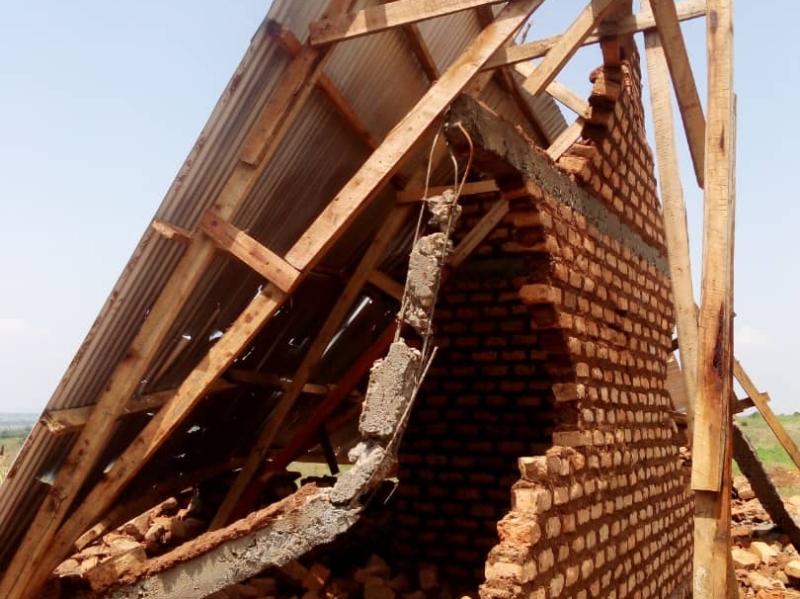
Constructing for the disaster affected homeless people in Kasese District, Uganda
I am reaching out on behalf of Pendeza Shelters, a non-profit organization founded in 2016 by David Monday, a passionate individual born and raised in Kilembe Quarters, Kasese district. Our mission is to provide affordable and decent housing solutions for the homeless population affected by disasters In the wake of devastating floods that that occurred in 2021-2022 left over 600 households in Kasese district homeless, the need for immediate action is critical. At Pendeza Shelters, we have developed an innovative solution to address this pressing issue. We have successfully created cost-effective plastic blocks (eco bricks), reducing the construction cost of houses by 25%. This breakthrough technology enables us to offer affordable housing options to rural communities in Uganda. We are now seeking your support to increase our production capacity by 20% to construct 70 houses each costing 2,027 USD, providing safe and secure homes for approximately 322 homeless individuals affected by the recent floods in Kasese district, Uganda. Your donation, no matter the amount, will make a tangible difference in the lives of those who desperately need shelter. By contributing, you are directly contributing to the well-being and safety of these vulnerable individuals. Together, we can provide a ray of hope to those who have lost their homes and possessions. To make a donation and support our cause, please click the link below. Your generosity will have a lasting impact on the lives of the homeless, giving them the opportunity to rebuild their lives and regain their dignity. Click the link to donate https://www.mchanga.africa/fundraiser/70181 We are deeply grateful for your consideration and support. Your contribution will play a vital role in our efforts to alleviate homelessness and provide a brighter future for the affected individuals. Together, let us make a difference and save lives. Thank you for your compassion and generosity
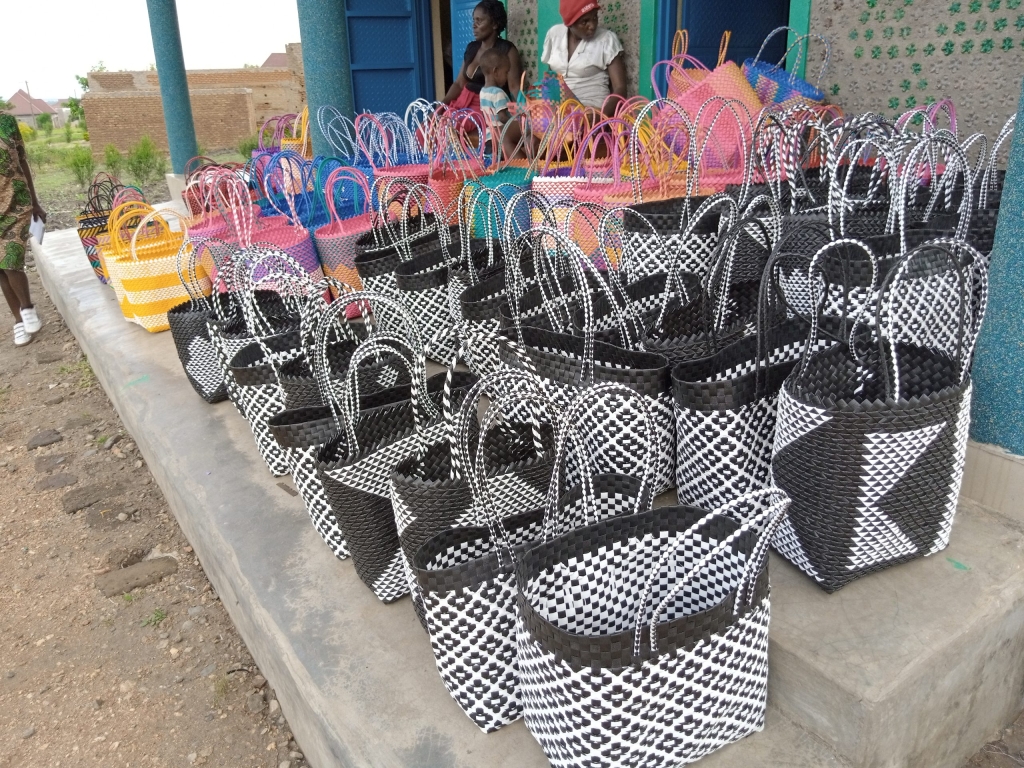
Improving Community Livelihood
In rural areas, women are turning polyethylene bags into (craft-making) shopping bags to support themselves financially. They often rely on their husbands, and unable to meet their families’ needs alone, these women seek additional income opportunities. Skill-building programs aim to empower them, enhancing their livelihoods and providing supplementary income for their families, thus improving their quality of life and fostering greater self-sufficiency among women and young girls in these communities. It takes approximately two weeks for a woman to master the weaving technique for crafting these bags, which is relatively easy to learn. The materials used are sourced from the community and some are obtained from business individuals who import bundles of textiles from the international market. These bags are primarily made from a material known as carryons, which is plastic and takes over 100 years to biodegrade. Currently, this skill employs over 35 women who sell their products on demand in both local and international markets. Each bag often comes with its own unique story, which many customers find intriguing. Prices vary based on the narrative behind each woman’s craftsmanship.
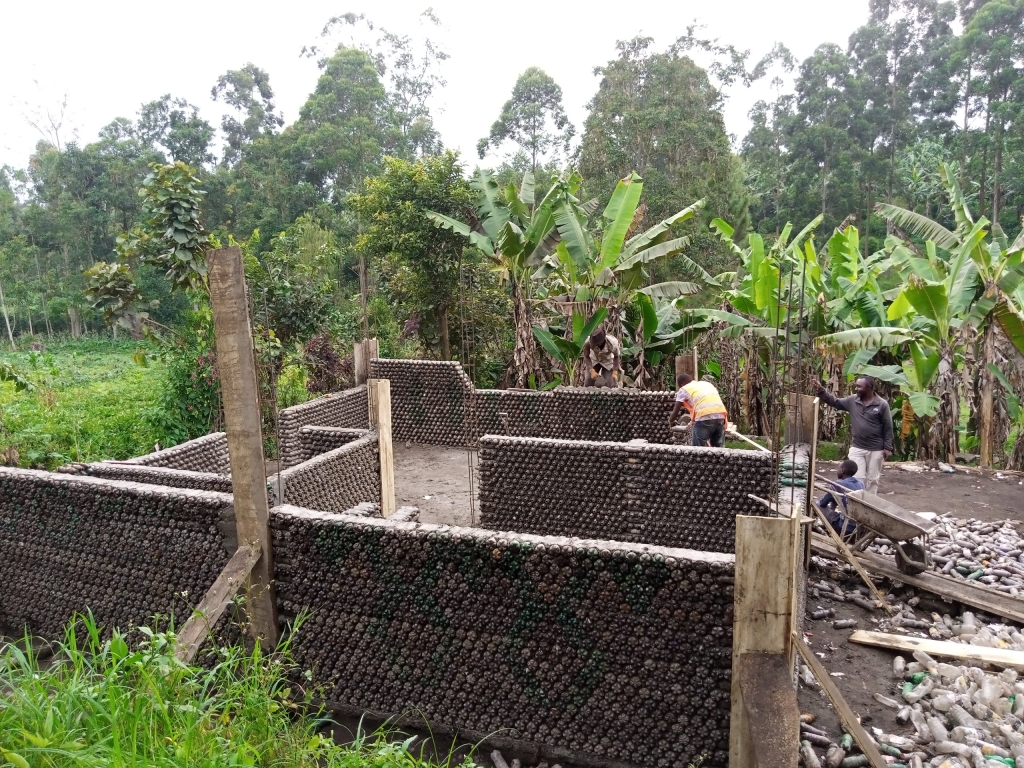
Tourism and Experience
In Fort Portal, we constructed an eco-friendly residential house built from plastic bottles for a tourism hotel for visitors to explore. The house showcases innovative recycling, with walls made entirely of plastic bottles. The educational experience highlights sustainability and creative construction methods suitable for local households. Community members, particularly the youth, spearheaded the collection of 628kg of bottles from both the community and landfill areas. Guided by Abwooli, an environmental activist and owner of the house. Over 123 youth were engaged in the collection, sorting, and compacting of the bottles (transforming bottles into eco-bricks). Their diligent efforts were duly compensated, aligning with their aim to enhance livelihoods. The youth engaged in all project processes were provided with waste management and construction skills training. This reflects our belief that, in addition to creating jobs and opportunities, priority was given to skill development. The house aimed to host both local and international guests seeking to experience the unique temperature of an eco-friendly house, providing comfort, especially during rainy seasons. Then the house becomes cool during the day and warm at night. The construction spanned two months, from inception to completion, ensuring paying attention to detail.
 Users Today : 3
 Users Yesterday : 2
 Users Last 7 days : 9